
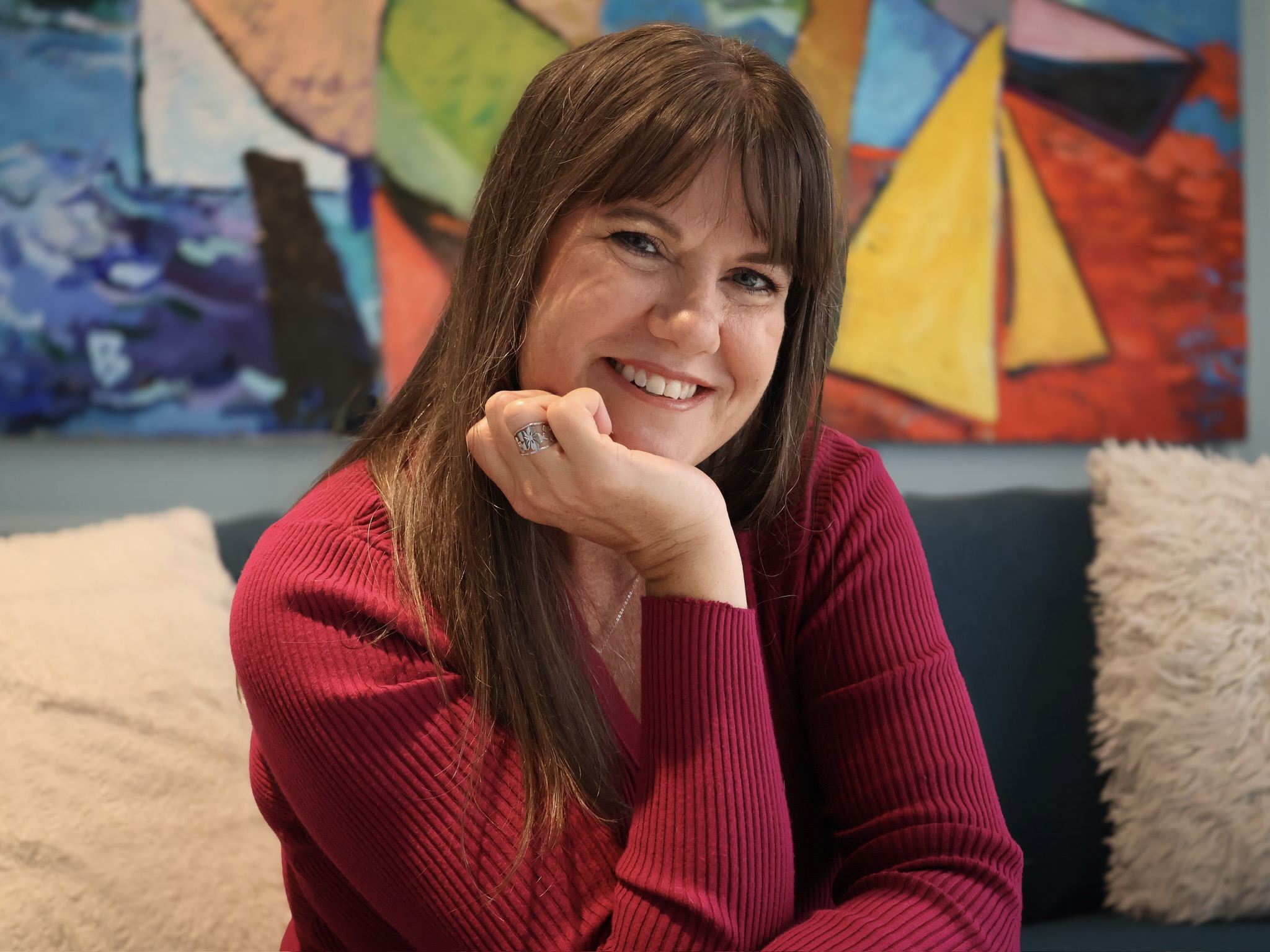
Rachael Wolff, author of Letters From a Better Me and Tending Your Inner Garden, shares insight on why it is so important to listen to our inner voice and to be aligned with our intuition. As an author and speaker, Rachael helps others by being a guiding light through the highs and lows of transformation.
What happens over time if we ignore our inner voice?
If we ignore our inner voice, the weeds eventually take over. Our lives become unmanageable, and instead of going within—where the real solutions live—we start running to things outside ourselves trying to fix what’s wrong.
When we do that, we unconsciously self-abuse. Life begins reflecting that back to us, not as punishment, but as a way of trying to guide us back to ourselves. The longer we ignore those reflections, the faster the invasive species of toxic plants take over the garden of our lives.
Why do we stay in patterns that we know aren’t serving us?
There are many reasons people stay in unhealthy patterns. If our brains are stuck in trauma patterns, chaos can actually feel normal. When life starts moving too smoothly, we can become uncomfortable because our nervous systems are used to survival mode. That’s when the addiction to drama starts looking for chaos again.
Sometimes we stay in patterns simply because they’ve become habits. That’s why making what we want more of in our lives a habit is essential for creating a healthy garden. We can also carry unconscious generational patterns that feel normal, even when they aren’t healthy for us.
The most important steps are becoming aware of the patterns, acknowledging they aren’t serving us, and intentionally creating healthier ones that nourish the garden we want to see flourish.
Was there a moment when you realized you needed to tend your own garden?
Yes. I tell the full story in the book, but the short version is that I was up in a tree cutting away deadweight when I realized the deadweight I was holding onto in my own life was keeping me hostage. It was preventing me from growing, just like it was preventing the tree from growing. That moment became the beginning of an incredible growth spurt for both the tree and me. Seeing the reflection of my life in nature was the beginning of my understanding of just how powerful inner garden work really is.
What did your life look like before this work?
My life was completely unmanageable. I felt depleted all the time. I was constantly focused on what everyone else was doing or not doing, and unconsciously addicted to finding ways to stay in my misery.
I had no idea how negative I really was until things would completely crash and I would pray to God to take me. I was a suicidal teen, and although one conversation with a mother who had found her daughter after she committed suicide kept me from ever attempting it, that didn’t mean I stopped self-abusing.
My breakthrough came when I started seeing how I was self-abusing and how that energy was being reflected back to me through an abusive relationship. My life was a mess before I became willing to look honestly at the weeds in my garden.
What was the hardest “weed” for you to pull personally?
That’s a tough one because weeds pop up whenever we leave our gardens unattended. The most common weeds that show up for me when I’m neglecting my garden are being overly critical of myself, ignoring my own needs, and people-pleasing.
But the most toxic weed for me is self-abuse. That one is the most dangerous to the health of my garden, which is why I try to clip it at the root the moment I see it starting to creep back in.
How did writing this book change you?
Writing this book forced me to constantly look at my own garden—what was healthy, what I was nurturing, and what happened when I neglected it. Every stage of the process—writing it, editing it, selling it, rereading it—became part of my own inner garden work.
Every time I engage with the material, my focus returns to tending my garden. When my garden is healthy, I naturally give other people seeds that can grow nourishing fruit, vegetables, and beautiful plant life in their own lives.
One of the greatest gifts this work has given me is understanding that what people choose to plant is their choice. That takes a tremendous amount of pressure off. My responsibility is simply to tend my own garden and be mindful of the energy I’m projecting out into the world.
How is this book different from other personal growth books?
I go down into the dirt with my readers. I don’t pretend there’s one right way to heal or grow because I know from personal experience that different modalities helped me through different stages of my journey.
This book helps people look honestly at what’s growing in their own gardens, not through rigid perspectives of truth, but through energy. Energy doesn’t lie. Our perspectives reflect the energy we feed them with.
It’s less about what we believe and more about whether we’re feeding those beliefs with love, abundance, and peace—or fear, lack, and separation.
This book isn’t surface-level work. We go through the process together. The garden metaphor matters because every person’s garden is different. It’s not about deciding what’s right for everyone else. It’s about becoming aware of what our own gardens are producing and whether the seeds we’re giving others are rooted in love, abundance, and peace.
The reader gets to discover what that looks like for themselves. I believe this book also gives people a completely different lens through which to view personal growth work altogether.
You can keep up with Rachael on Instagram, Facebook, LinkedIn, and her website!
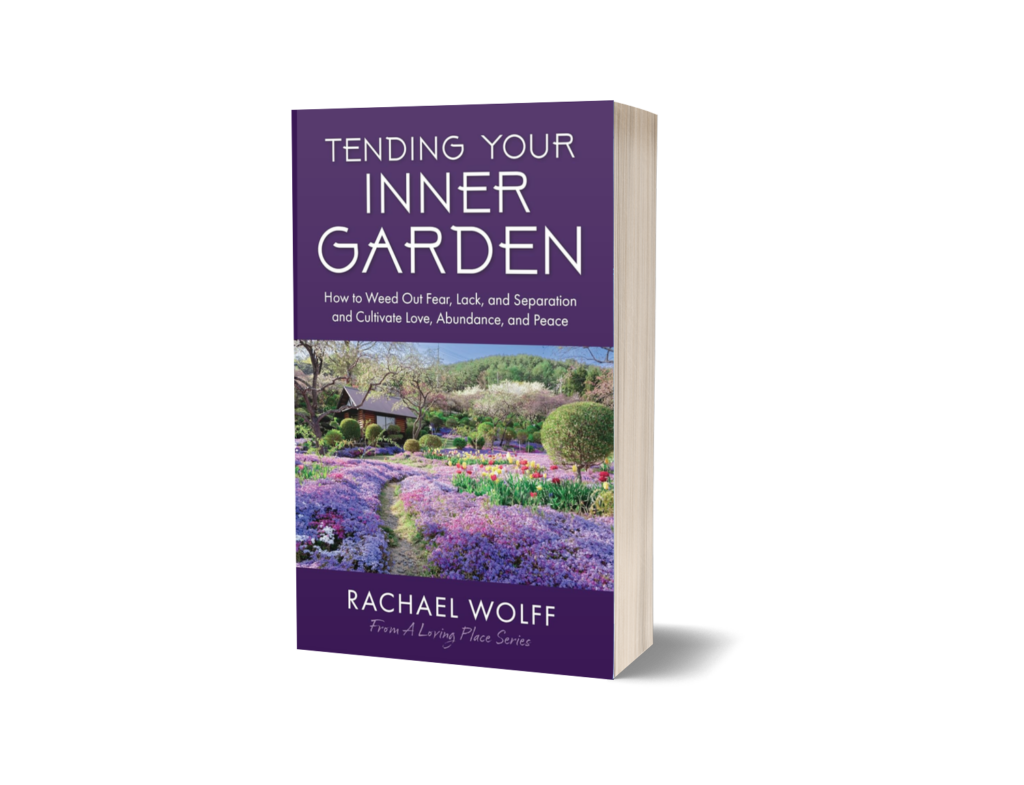
Grab a copy of Tending Your Inner Garden today!