
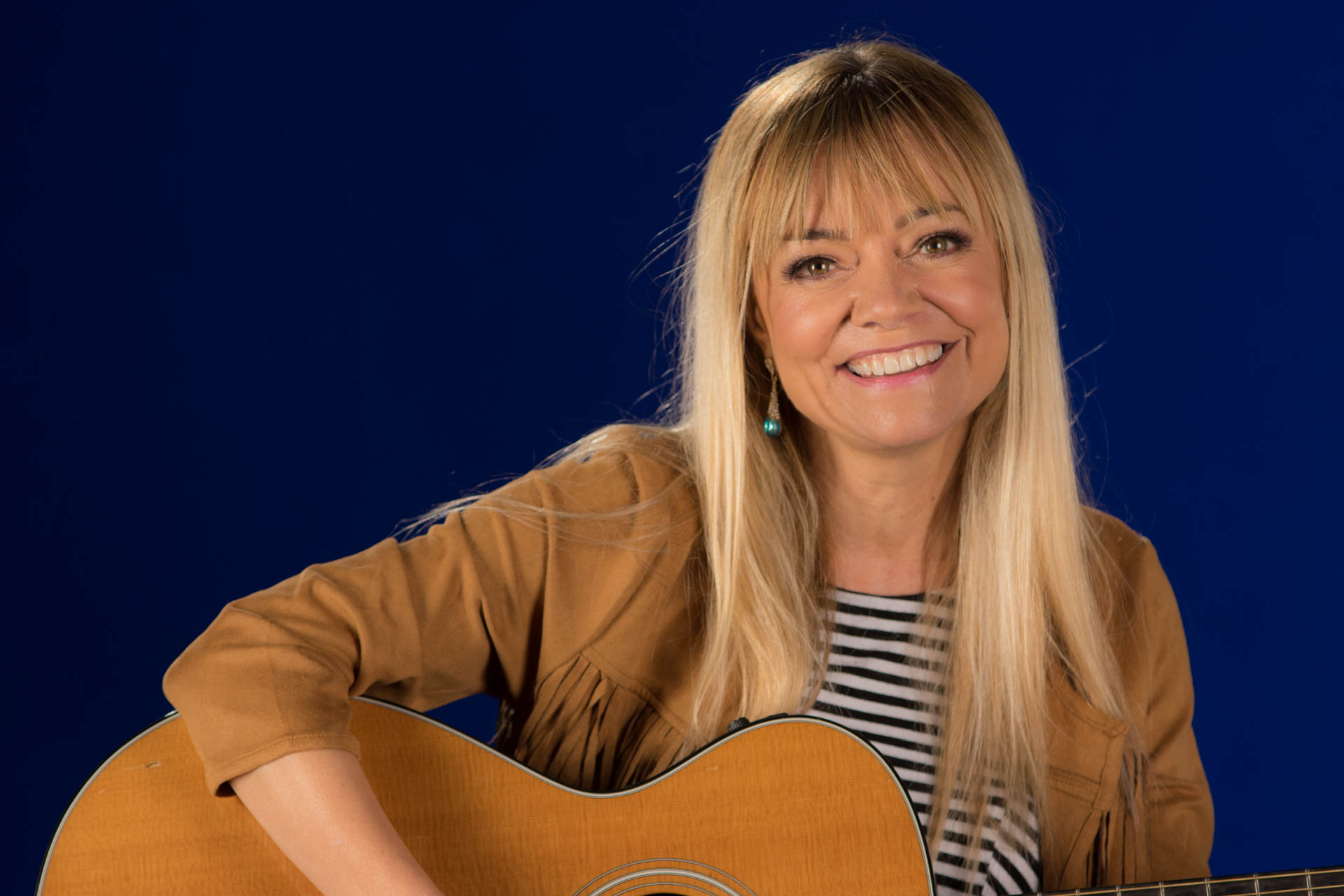
Dr. Michelle Chappel, author of the newly released The Power of Authenticity, offers valuable insight into discovering our hidden superpowers and living a truly authentic life. Reaching #1 on Amazon for Consciousness and Thought Philosophy in May 2026, the book has resonated with readers seeking to discover their purpose and thrive in today’s uncertain world.
Your book has become renowned for helping people reclaim their inner power. How would you define this power in your own words?
Many people equate power with gaining wealth and exerting influence and control over others, which suggests that only a few of us can be powerful in this world. But that’s a myth. External power comes and goes. True power radiates from within. Each of us carries unique strengths inside. We can tap into this internal source of power at any time. However, most of us don’t know it yet because we suffer from “Suppressed Superpower Syndrome.” We buried some of our most extraordinary gifts in the unconscious to fit in with others and forgot who we truly are. My mission is to help readers reclaim these hidden superpowers and flourish in meaningful work and important passion projects that make them feel whole—a true marker of mental health according to world-renowned Swiss psychiatrist Carl Jung.
You put clear emphasis on the contrast between “individual” and “universal” superpowers. How would you describe these differences?
We all came into the world with a soul purpose and a set of special strengths to fulfill it. When we suppress our natural abilities, we lose access to our whole selves and lose our inner power. The good news is that when we reclaim our “individual superpowers”—our unique talents and interests—we remember why we’re here. Reconnecting with our calling improves our mental health, and your soul does a happy dance 24/7.
Unlike “universal superpowers”—qualities such as kindness and gratitude that most of us can develop with practice—nobody else can express our individual superpowers like us. When we dance to our own music, we naturally develop these intrinsic abilities and excel in work and life. But when we’re forced to conform to someone else’s idea of who we should be, it takes us off our path. We’re either unaware of our innate aptitudes, or we hold ourselves back to play it safe. Either way, we’re out of sync with our true nature, which leaves us feeling hollow, frustrated, and disempowered.
What do you think is the most important marker of authenticity?
Recovering our unique superpowers and living as our full selves. You see, the price of fitting in is that many of us wind up leading lives that don’t fit us all that well. We’re conditioned to become someone we’re not. Deep down inside, we think something is wrong with us, but what’s really “wrong” is the inauthentic lives we’re leading. Over the years, we cut off more and more pieces of our true selves to fit the mold of who we think we’re supposed to be. We can’t see our unused talents and creative potential—our “golden shadow”—because they dwell outside the light of our conscious awareness.
When we recover our shiny abilities, we can harness the energy released by no longer suppressing our superpowers to actively change the direction of our lives and answer our calling. We can use our newly discovered talents to reinvent ourselves and flourish in our constantly changing world. Rather than stay stuck in life, we can find meaningful work and outside interests that make us come alive. Success comes as a side effect—not because we’re trying to be our best selves—but because we’re becoming the most complete version of ourselves, a mental health benefit crucial to thrive in our challenging times.
The path from psychology professor to rockstar isn’t a well-trodden one! Can you tell us a bit about your journey?
When I was four years old, I used to sit down at pianos and play as if I had been classically trained. I’d had no training of any kind, and I have no idea where that ability came from. I begged my parents to buy a piano for years, but they never did. The talent I was born with seemed like it didn’t exist, even to me. Years later, while I was studying psychology at Princeton, I heard a talk on music perception. The speaker played pairs of melodies and asked us whether they were the same or different. I remember thinking the task was too simple. But when we went around the room and reported how we’d all done, I learned that I’d outscored everyone, including a dean who had studied classical violin for 10 years. I recognized that I had an aptitude for music, but I played it safe and became a psychology professor anyway.
Still, I started playing the guitar to unwind from work. Late in the evenings, when I felt wiped out from grading papers, I would rejuvenate myself by writing “little songs.” I always told my students to follow their hearts, and one day I realized I wasn’t following my own heart. What did I truly want to be when I grew up? I saw myself on stage with teased hair and a black leather jacket. A rock ’n’ roll star. Within a year, I joined a rock band and began performing at all the cool nightclubs in town. Several of my students attended my shows, and my band grew a following.
I’d only written a handful of songs, but I knew if I didn’t reach for my dreams then, I never would. I ditched my solid teaching position to pursue music full-time. Fast forward five years: I found myself living in South Africa with a debut CD distributed through Teal Trutone Music (Gallo and Universal Records) and a top 10 radio hit.
What is the purpose behind the creative exercises, self-reflection questions, and music in your book?
While I was on tour in South Africa, a radio DJ asked me if I’d ever go back to teaching. I laughed it off at the time, but once I returned to the States, I realized that I did want to teach again. Only I wanted to teach people how to find gifts they didn’t know they had, and honor their authentic paths in this world. This turned out to be the secret ingredient to finding our true calling that other experts were missing. I combined the artist and scientist in me and used both sides of my brain to do this work. As I wrote my book, I was aware that reading words only stimulates the left hemisphere. So, I included songs, visual displays, and creativity exercises to activate both hemispheres, allowing readers to access their dormant gifts and passions.
Are there any client success stories that you find particularly inspirational?
Many of my clients answered their calling in exciting new careers. Maria, for example, was a San Jose police detective who had hit a glass ceiling in her career. She discovered a passion for travel and landed a job with the United Nations, training Bosnian police to adopt human rights procedures. Nancy, a bored technical writer, found a penchant for storytelling and ended up writing, directing, and producing an internationally distributed film. “Emmy,” an unemployed housewife with low self-esteem, discovered she had a keen eye for style and became a successful buyer for a children’s clothing store.
Other clients reclaimed their long-forgotten abilities by following their purpose outside of work. Dan was an attorney who felt something was missing from his life. He awakened his childhood love for photography and started shooting pictures on the side, which refueled him after his workday ended. Jane, a burned-out executive, began painting in the evenings. She won an award for a portrait of her husband. Frank, an army colonel with two PhDs in engineering, wrote popular songs for the first time, a dream he’d carried in his heart for decades.
I’ve helped thousands of people reclaim their hidden gifts and honor their authentic paths in this world. I can’t wait to take readers on this journey to find their purpose, claim their power, and become the person they were born to be.
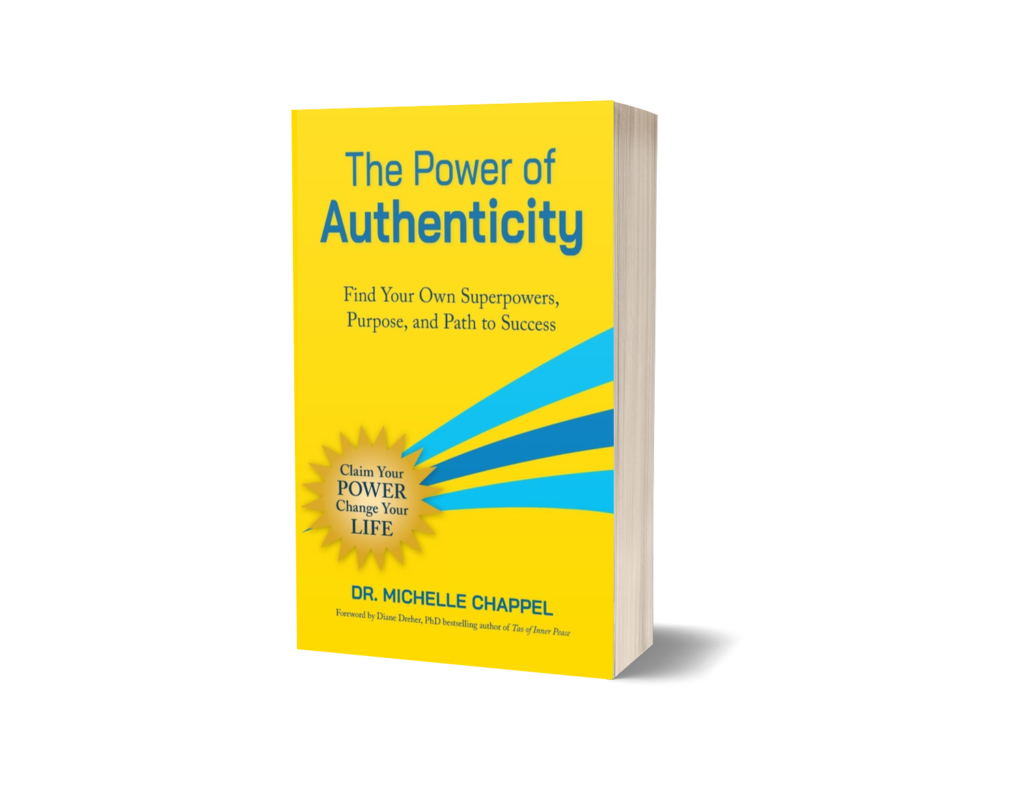
You can get your copy of The Power of Authenticity on Amazon, Bookshop, and Barnes & Noble.