
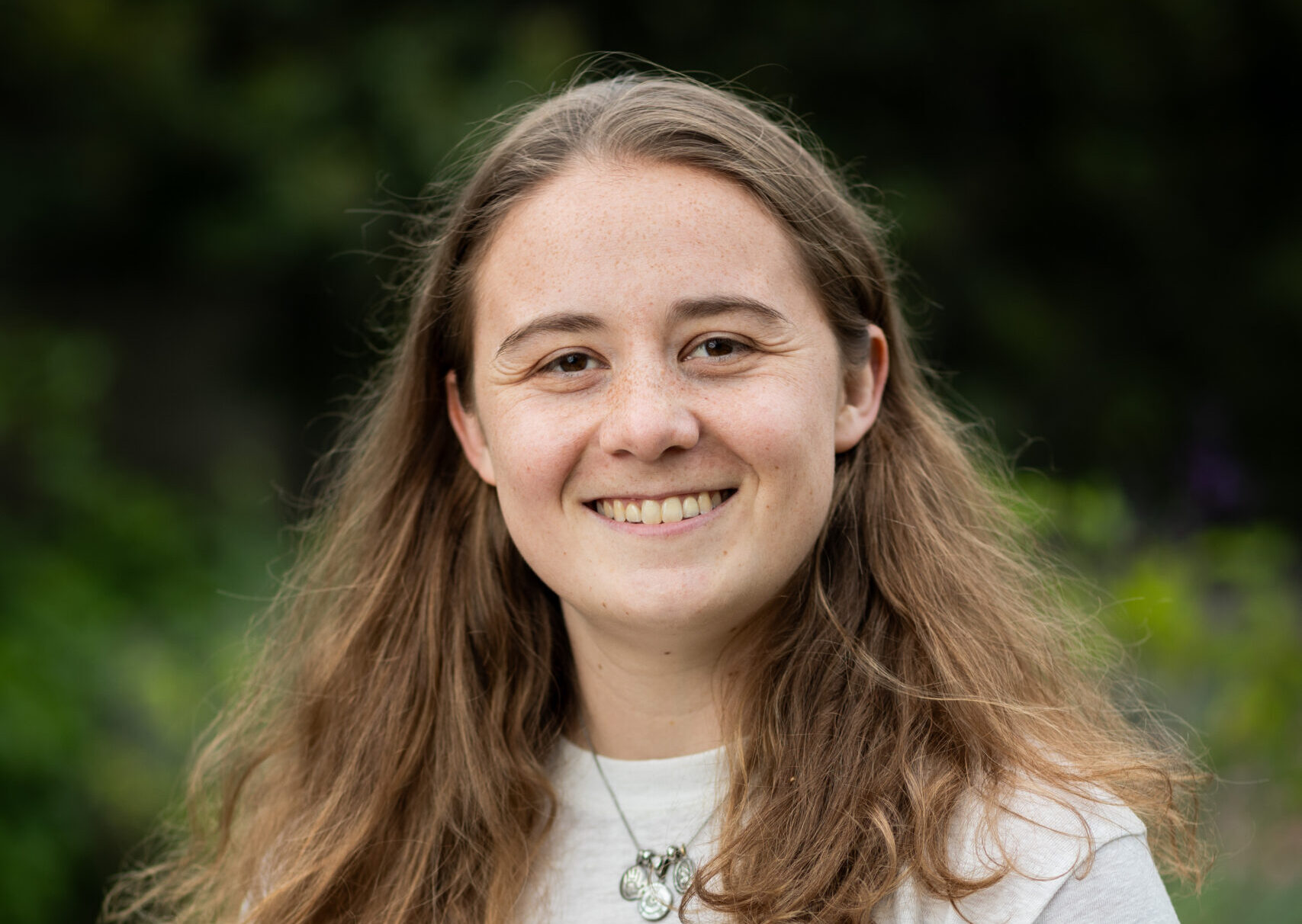
In the wake of her debut release, Our Five Seasons, author, PhD student, and justice advocate Alina Leticia Zárate joined us to answer some critical questions. Read on to learn about the climate and agricultural work that affects us all.
The title of your new book is striking. Can you describe what has replaced the conventional four season calendar?
Over the course of my conversations with farmworkers across the US, I realized that how we traditionally think about traditional seasonality (Winter, Spring, Summer, Fall) and even industry seasonality (Planting, Growing, Harvesting) were inadequate to describe what farmworkers were experiencing with respect to climate change. For them, the annual cycles are best defined and described by the climate hazards they face, namely Cold, Heat, Storms, Fires, and Pesticides. In this way, their year is divided into periods of short and sudden freezes, extensive heat waves, large precipitation events like atmospheric rivers, flooding, and hurricanes, months of wildfires and smoke, and lastly the increased use of pesticides and chemical inputs. The fact that workers described these climate hazards as seasons also shows that these are not new occurrences but rather conditions that farmworkers have been experiencing and adapting to for decades.
Who do you believe are some of the most powerful voices in raising climate awareness and why?
I believe that those on the frontlines are always the most powerful voices in raising awareness about climate change or any of the other crises we face because they are the most acutely impacted, most experienced, and knowledgeable about it. If we want to understand how climate change is impacting our food system, we need to start with the people who are working and living in it everyday: farmworkers. Farmworkers are climate experts in their own right and they are intimately familiar with not only how climate change is impacting and affecting them but also how these changes are harming and affecting our agricultural landscapes and, ultimately, the food that we all eat.
What would you describe as one of the biggest injustices in farm-work today?
I don’t think it is possible to define the biggest injustice in farmwork today. Farm labor has always been one of the most demanding, dangerous, and low-paying jobs done by the most vulnerable workers in our society. As a result, farmworkers have always had to find ways to endure, adapt, and survive extremely difficult conditions and, in general, we as a society have come to accept this as the norm. In reality, farmworkers are risking their lives everyday to plant, grow, harvest, and package the crops that make their way to our dinner tables and, despite this essential sacrifice, farmworkers still do not receive fair pay, do not have a path to citizenship, do not have access to health care services, do not have access to safe housing, and are often forced to choose between risking death in the fields and being able to feed their families. The fact that the people who feed us cannot feed themselves is unacceptable and climate change is simply exacerbating this reality. It is all of these injustices together that make it so necessary to change our agricultural system to one that is better for the environment, for farmworkers, and for all of us.
Why is your book also relevant to those outside the agricultural world?
We all eat and because of that, we are all connected to the food system and are all dependent on farmworkers for our everyday survival. In the United States in particular, most of us are really far removed from the where, who, and how of our food. The goal of the book was to demonstrate to the reader that we are all connected and that the conditions and experiences of farmworkers with climate change are directly connected to our own experiences and our own wellbeing. In fact, I open the book with an anecdote about my own experience buying peaches in a supermarket that had no scent and no flavor and how my conversations with workers in California’s Central Valley returned to that very topic as workers reflected on years in which they knew they were picking fruit of low quality but, because of their perfect appearance, were still sold in stores. This book provides a gateway for us all to recognize that the five seasons of farm labor are also our five seasons and that we should be invested in building a food system that is safe, healthy, and just for farmworkers because it ultimately impacts all of us.
What made you seek an illustrator to help convey your climate message?
A lot of thought went into the design of the book. We wanted it to be accessible to a very broad audience and we wanted to represent the idea of Our Five Seasons in a number of different ways from poetry to climate data to personal testimonies. We very quickly realized that drawings of what the workers were talking about would be helpful in allowing the reader to visualize the different seasons, crops, and experiences and connect it to their own lives as well as break up the heavy text. We were very lucky that Edward was interested in collaborating and supporting our work. I think that he really understood the depth and importance of this project and took the book to the next level with his illustrations.
What do you believe is the most important message a reader can take from your book?
I think that the most important message a reader can take from Our Five Seasons is exactly what every farmworker I talked to wanted to make sure they got across over the course of their interview: that the interconnected impacts of climate change are getting worse and what is harming us here in the fields is ultimately harming you farther down the food chain. Workers always expressed concern for the food system as a whole and hoped that insights into their experiences and challenges with climate change would encourage others to advocate for a food system that is better and healthier for everyone. We should not see the consequences of the five seasons as farmworker issues but as our collective issue and I hope that readers will feel both a greater sense of empowerment and urgency to think more critically about their food and take action to demand a just food system for all amid the climate crisis.
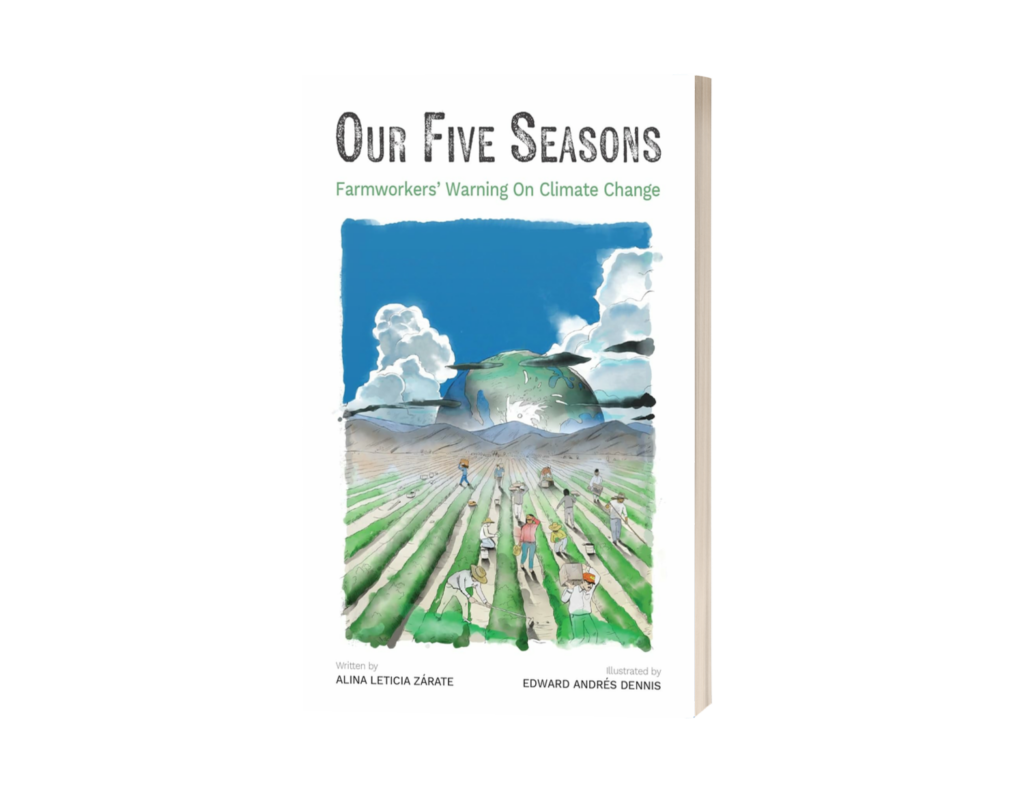
You can get your copy of Our Five Seasons on Amazon, Bookshop, and Barnes & Noble!